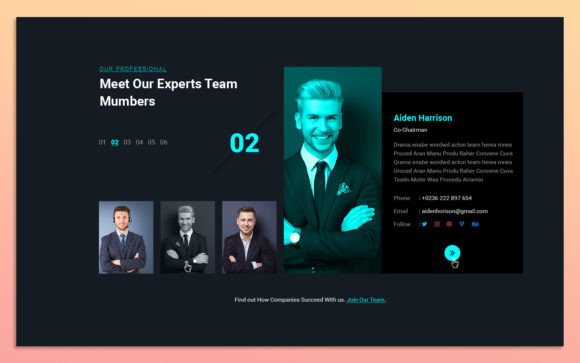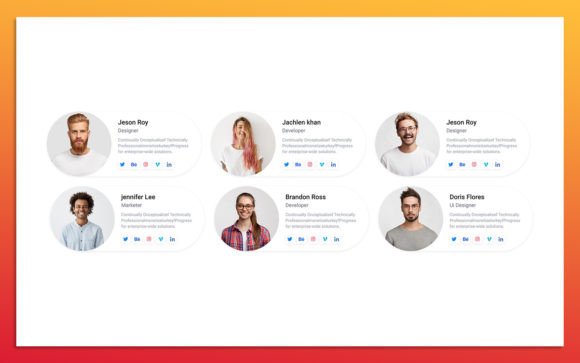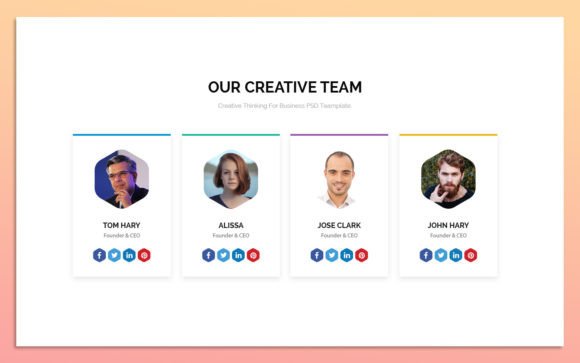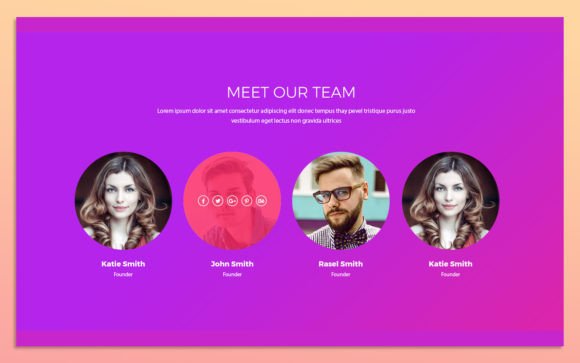
Streamlining Digital Presence with 16 Team Member UI Elements for Modern Web Design
In the contemporary digital landscape, the "About Us" page has evolved from a static afterthought into a critical conversion tool. Visitors no longer just want to know what a company does; they want to know who is behind the brand. Trust is built through transparency, and nothing humanizes a business quite like showcasing the faces and personalities of its team. This shift in user expectation has placed a premium on high-quality, customizable design assets that allow creators to present their teams professionally without getting bogged down in complex coding or rigid templates. This is where specialized resources like the 16 Team Member Ui Elements become indispensable for modern web development workflows.
These elements are not merely decorative boxes containing headshots and job titles. They are sophisticated components designed to integrate seamlessly into any website architecture, offering a balance between aesthetic appeal and functional clarity. For entrepreneurs, freelancers, and marketing agencies, the ability to rapidly deploy a polished team section can significantly reduce project turnaround times while maintaining a high standard of visual integrity. The demand for such tools reflects a broader trend in web design: the move toward modular, scalable, and highly editable systems that empower non-developers to achieve professional results.
The Evolution of Team Presentation in Web Design
Historically, displaying a team on a website was a straightforward, often monotonous task. Designers would arrange a grid of square images with text underneath, relying on basic HTML and CSS. While functional, this approach lacked personality and often failed to engage users. As web technologies advanced, so did user expectations. Today’s audiences interact with websites on various devices, from large desktop monitors to small mobile screens, requiring designs that are not only visually striking but also fully responsive and accessible.
The introduction of comprehensive UI kits, such as those featuring Team Member Widget Design for Web-UI Kit, marks a significant evolution in this space. These kits provide pre-built structures that adhere to modern design principles, including whitespace utilization, typography hierarchy, and color theory. By leveraging these pre-designed elements, creators can bypass the initial heavy lifting of layout construction. Instead, they can focus on customization—adjusting colors to match brand guidelines, swapping out placeholder images for real team photos, and tweaking typography to ensure consistency with the rest of the site.
This evolution is driven by the need for efficiency. In fast-paced business environments, time is a scarce resource. The ability to use a template that is very easy to use and customizable allows teams to iterate quickly. Whether launching a startup, rebranding an existing company, or updating a portfolio, having access to a library of 16 distinct team member elements provides the flexibility to choose the layout that best suits the narrative of the organization. Some projects may require a minimalist list view, while others might benefit from a dynamic grid with hover effects. Having these options readily available within a single file streamlines the decision-making process.
Why Figma and Scalability Matter for Modern Creators
The choice of design tool is as critical as the design itself. Figma has emerged as the industry standard for interface design, largely due to its collaborative features and vector-based scalability. The 16 Team Member Ui Elements are crafted specifically for this environment, ensuring that every component is 100% scalable and fully edited on Figma. This technical foundation is vital for several reasons.
First, scalability ensures that graphics remain crisp and clear at any size. Whether a team member’s photo is displayed as a small thumbnail in a footer or a large feature image on a landing page, vector-based elements prevent pixelation and maintain professional quality. Second, the fully organized layers within the source file format mean that designers do not have to hunt through messy groups to find specific components. Every element is named and structured logically, saving hours of frustration during the editing process.
Furthermore, the integration of Google Fonts into these templates addresses another common pain point in web design: typography management. By using widely supported, web-safe fonts, designers ensure that the text renders consistently across different browsers and operating systems. This attention to detail enhances the overall user experience, as visitors encounter a cohesive and readable interface regardless of their device. The ability to easily change font styles, weights, and sizes within the Figma file allows for rapid experimentation, enabling creators to find the perfect typographic voice for their brand.
Practical Implications for Businesses and Freelancers
For business owners and marketers, the practical benefits of using a pre-designed UI kit extend beyond aesthetics. A well-designed team section can influence hiring, investor relations, and customer trust. When potential employees visit a careers page, a professional and inviting team display can make a company appear more established and appealing. Similarly, investors often look for strong leadership teams when evaluating startups. A clear, well-organized presentation of key personnel can convey competence and stability.
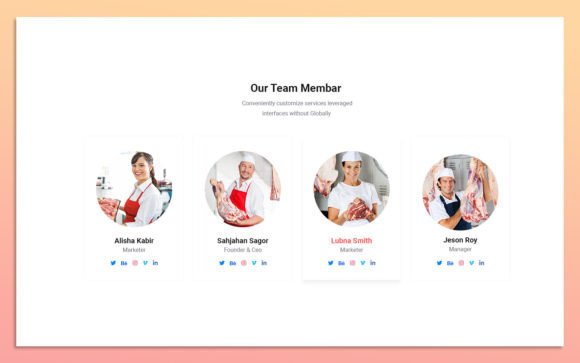
Freelancers and agencies also benefit significantly from these tools. Client projects often come with tight deadlines and specific branding requirements. Having a library of 16 Team Member Ui Elements allows freelancers to offer multiple design options to clients quickly. They can demonstrate how a team might look in a card layout, a circular avatar style, or a minimalistic text-heavy format. This versatility not only improves client satisfaction but also positions the freelancer as a versatile and efficient partner.
Moreover, the ease of customization means that these elements can be adapted for various industries. A creative agency might opt for bold colors and unconventional layouts, while a law firm might prefer a clean, conservative design with neutral tones. The underlying structure remains the same, but the visual expression can be tailored to fit the specific context. This adaptability is crucial in a market where one-size-fits-all solutions rarely succeed.
Key Features That Enhance Usability
To truly understand the value of these UI elements, it is essential to look at their core features. The design philosophy behind this kit is centered on simplicity and cleanliness. A simple, clean, and modern design ensures that the focus remains on the content—the people—rather than distracting graphical flourishes. This minimalist approach aligns with current web design trends that prioritize usability and accessibility.
- Fully Organized Layers: Each component is meticulously grouped and labeled, making navigation within the Figma file intuitive. This organization reduces the learning curve for new users and speeds up the editing process for experienced designers.
- Easy Color Style Changes: The use of global color styles in Figma allows users to update the entire color scheme of the team section with just a few clicks. This feature is particularly useful for maintaining brand consistency across different pages or when rebranding.
- Image Placeholder Flexibility: The templates include smart image placeholders that automatically mask and resize photos. This ensures that all team member images appear uniform, even if the original photos have different aspect ratios.
- Responsive Considerations: While designed in Figma, the layouts are created with responsiveness in mind. Designers can easily preview how the elements will stack or resize on smaller screens, ensuring a seamless mobile experience.
These features collectively contribute to a workflow that is both efficient and enjoyable. By removing technical barriers, the kit empowers users to focus on creativity and strategy. It transforms the tedious task of building a team page into an opportunity for brand storytelling.
Adapting to Changing User Habits and Market Preferences
The rise of remote work and distributed teams has also influenced how organizations present their staff. Companies are increasingly highlighting diversity, inclusivity, and individual expertise. The Team Member Widget Design for Web-UI Kit supports this trend by offering varied layouts that can accommodate different types of information. Some elements may include social media links, allowing team members to connect with visitors on professional networks. Others might feature brief bios or skill tags, providing deeper insights into each person’s role and capabilities.
This level of detail resonates with modern users who value authenticity. They are less interested in corporate jargon and more interested in genuine connections. By using customizable UI elements, businesses can craft team pages that feel personal and engaging. They can highlight unique hobbies, favorite quotes, or fun facts, adding a layer of personality that static templates often lack.
Additionally, the market preference for speed and performance cannot be overstated. Websites that load quickly and navigate smoothly retain users longer. The clean code structure implied by well-organized Figma files translates to cleaner front-end implementation. Developers can export assets and styles efficiently, reducing bloat and improving site performance. This technical efficiency complements the visual appeal, creating a holistic solution that meets both design and development needs.
Making the Most of Your UI Kit
To maximize the value of the 16 Team Member Ui Elements, users should approach customization with a strategic mindset. Start by identifying the primary goal of the team page. Is it to build trust with clients? To attract top talent? Or to showcase expertise? Once the goal is clear, select the layout that best supports it. For instance, a consultancy firm might choose a layout that emphasizes credentials and experience, while a creative studio might opt for a more visual, playful design.
Next, pay attention to consistency. Ensure that the colors, fonts, and spacing used in the team section align with the rest of the website. The ease of changing color styles in Figma makes this step straightforward, but it requires a keen eye for detail. Consistency reinforces brand identity and creates a cohesive user experience.
Finally, do not underestimate the power of high-quality photography. Even the best UI elements can fall flat if the images are poor quality. Invest in professional headshots or ensure that existing photos are well-lit and consistent in style. The smart placeholders in the kit will handle the cropping and resizing, but the source material must be strong to make an impact.
In conclusion, the 16 Team Member Ui Elements represent more than just a collection of design assets. They are a tool for enhancing communication, building trust, and streamlining workflow. By leveraging the power of Figma, scalability, and thoughtful design, creators and businesses can present their teams in a way that is both professional and personable. As digital interactions continue to evolve, the ability to quickly adapt and customize user interfaces will remain a key competitive advantage. Embracing these modern design resources is a step toward a more efficient, effective, and engaging web presence.