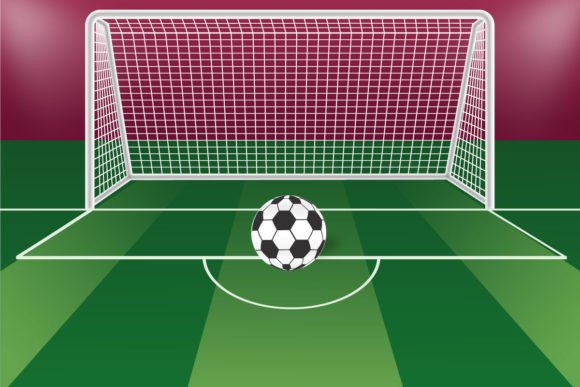
Elevating Visual Storytelling with High-Quality Football in Front of the Goalpost Graphics
In the dynamic world of sports design, capturing the raw emotion and intensity of a match is paramount. Few moments are as iconic or universally recognized as the Football in Front of the Goalpost. This specific visual motif encapsulates the climax of the game—the split second where anticipation meets execution. For graphic designers, marketers, and content creators, utilizing high-quality assets that depict this scene can significantly enhance engagement across various digital and print platforms. However, the effectiveness of these visuals relies heavily on their technical quality, versatility, and ease of integration into modern workflows.
When sourcing or creating designs centered around a Football in Front of the Goalpost, the file format and resolution are not merely technical details; they are foundational to the project's success. A design that looks crisp on a smartphone screen may appear pixelated and unprofessional when scaled for a billboard or a large-format banner. Therefore, understanding the deliverables included in a comprehensive design package is essential for anyone looking to leverage this imagery effectively.
The Importance of Vector Formats in Sports Design
One of the most critical aspects of professional-grade design assets is the inclusion of vector files. When you acquire a premium design package featuring a Football in Front of the Goalpost, receiving files in Adobe Illustrator (AI) and EPS formats is a significant advantage. Unlike raster images, which are made up of pixels, vector graphics are based on mathematical paths. This means they can be scaled infinitely without any loss of quality.
Consider a scenario where a local sports club wants to use the image for both social media posts and massive stadium banners. With an AI or EPS file, the designer can resize the Football in Front of the Goalpost from a small icon to a twenty-foot wide display without worrying about blurriness or jagged edges. This flexibility is invaluable for branding consistency. Furthermore, vector files allow for complete customization. Designers can easily change colors to match team jerseys, adjust the thickness of lines, or modify elements of the goalpost to fit specific aesthetic requirements. This level of control ensures that the final output aligns perfectly with the brand identity.
SVG: The Modern Standard for Web Integration
In addition to traditional vector formats, the inclusion of SVG (Scalable Vector Graphics) files is increasingly important in today’s web-centric environment. SVGs are lightweight, code-based vector images that load quickly and render sharply on all devices, from high-resolution Retina displays to older monitors. For web developers and UI/UX designers, having an SVG version of a Football in Front of the Goalpost allows for seamless integration into websites and applications.
SVGs also offer unique interactive possibilities. Through CSS and JavaScript, designers can animate parts of the image, such as making the net ripple or the ball rotate, creating an engaging user experience. This interactivity can increase time-on-page and user engagement, which are key metrics for SEO and digital marketing success. Moreover, because SVGs are text-based, they are accessible to screen readers, improving the overall accessibility of the website.
High-Resolution Raster Images for Immediate Use
While vector files offer unparalleled flexibility, there are times when a high-quality raster image is necessary. This is where the JPEG file comes into play. A professionally rendered JPEG of a Football in Front of the Goalpost provides a ready-to-use asset for quick deployments. Whether it’s for a blog post header, an email newsletter, or a social media update, a high-resolution JPEG ensures that the image looks vibrant and detailed.
The specification of 300 DPI (Dots Per Inch) is crucial here. Many free or low-quality stock images are saved at 72 DPI, which is sufficient for screens but inadequate for printing. A 300 DPI JPEG ensures that if the image needs to be printed in a magazine, flyer, or poster, it will retain its sharpness and clarity. This high-quality design standard eliminates the risk of pixelation, ensuring that the texture of the football, the mesh of the net, and the structure of the goalpost are rendered with precision. For businesses that rely on both digital and print marketing, having a 300 DPI JPEG saves time and resources by removing the need for additional conversion or enhancement steps.
Fully Editable Files for Customization
The term "Fully Editable Files" suggests more than just format variety; it implies a layer of organization and accessibility within the source files. In a well-structured AI or EPS file, layers should be logically named and grouped. For instance, the football, the goalpost, the net, and the background should be on separate layers. This organization allows designers to isolate specific elements easily. If a client wants to replace the standard white net with a branded color or add a sponsor’s logo near the goalpost, having fully editable layers makes this task straightforward.
This editability extends to typography and additional graphical elements often included in sports designs. Designers can tweak fonts, adjust spacing, or incorporate team statistics directly into the composition. The ability to modify the Football in Front of the Goalpost design ensures that it remains relevant and adaptable to changing marketing campaigns, seasonal promotions, or specific event themes.
Streamlining Workflows with Compressed ZIP Files
Efficiency is key in professional design environments. Receiving multiple file formats individually can be cumbersome and prone to errors, such as missing files or version mismatches. By compressing all the assets—AI, EPS, SVG, and JPEG—into a single ZIP file, providers ensure a streamlined download and extraction process. This "Ready to upload" approach minimizes friction for the user.
For agencies handling multiple clients or tight deadlines, having a consolidated package means less time spent organizing assets and more time focusing on creative execution. It also reduces the likelihood of file corruption during transfer. When the files are neatly packaged, designers can immediately begin working on the project, confident that they have all the necessary tools at their disposal. This convenience is a significant factor when choosing between different design resources, as it directly impacts productivity.
Practical Applications Across Industries
The versatility of a high-quality Football in Front of the Goalpost design extends beyond traditional sports media. Educational institutions can use these graphics for physical education programs or school sports day promotions. Retail brands selling athletic wear can incorporate the imagery into advertising campaigns to evoke feelings of action and performance. Even non-sports industries can leverage the metaphor of scoring a goal to represent business achievements, target completion, or success milestones.
In each of these contexts, the quality of the image reflects the professionalism of the brand. A blurry or poorly constructed graphic can undermine credibility, while a crisp, well-designed asset enhances trust and engagement. The combination of vector scalability and high-resolution raster options ensures that the design performs well regardless of the medium.
Choosing the Right Design Assets
When evaluating design packages, it is important to look beyond the surface appeal. Check for the inclusion of all major file formats, verify the resolution specifications, and ensure that the files are truly editable. A design that offers AI, EPS, SVG, and 300 DPI JPEG formats provides the comprehensive coverage needed for modern multi-channel marketing. Additionally, consider the aesthetic style of the Football in Front of the Goalpost. Does it align with your brand’s voice? Is it dynamic and energetic, or clean and minimalist?
Ultimately, the goal is to find assets that not only look good but also function seamlessly within your workflow. By prioritizing high-quality, versatile, and ready-to-use files, you can elevate your visual content and create more impactful connections with your audience. Whether you are designing for a global sports brand or a local community club, the right graphics can make all the difference in conveying your message effectively.