Strategic Visual Identity: Leveraging Abstract Shape Modern Art Design Element for Brand Impact
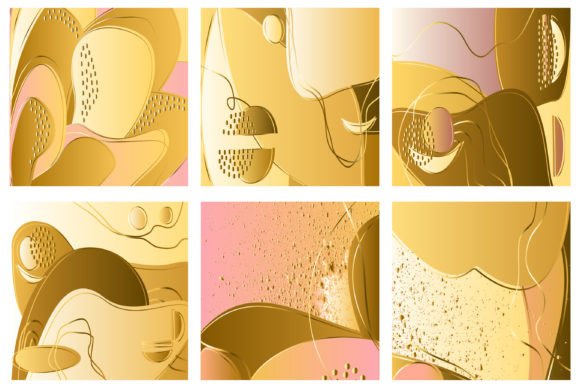
In the crowded digital and physical marketplace, visual clarity is not merely an aesthetic preference; it is a strategic asset. The Abstract Shape Modern Art Design Element serves as a foundational tool for creators, marketers, and business owners who understand that effective communication often relies on suggestion rather than explicit declaration. These high-resolution assets are not just decorative fillers; they are structural components of modern brand storytelling, offering versatility across print and web mediums.
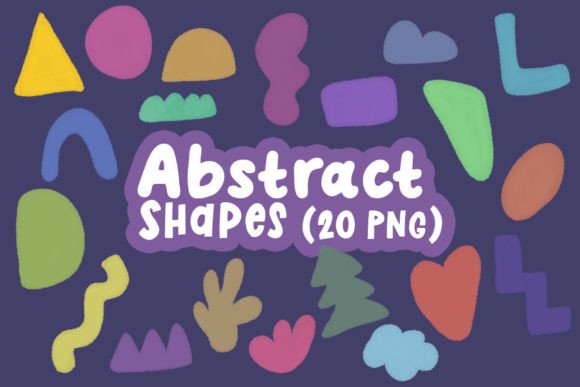
When you integrate an Abstract Shape Modern Art Design Element into your workflow, you are choosing flexibility. Unlike rigid photographic imagery or complex illustrations that dictate a specific narrative, abstract shapes provide a neutral yet dynamic canvas. They allow your core message—whether it is a product launch, a corporate report, or an educational module—to take center stage while providing the necessary visual weight to hold the viewer’s attention. This collection of 20 PNG files, rendered at 300 dpi and sized at 3000 x 3000 pixels, offers the technical precision required for professional outcomes.
The Strategic Value of High-Resolution Abstraction
Why do seasoned designers and savvy entrepreneurs prioritize abstract geometry over literal imagery? The answer lies in cognitive load and brand positioning. Literal images require the viewer to process specific details: faces, locations, objects. Abstract shapes, however, evoke emotion and structure without demanding detailed interpretation. This reduces cognitive friction, allowing your audience to focus on your value proposition.
Consider the technical specifications of this digital product. Each file is a 3000 x 3000 pixel PNG with a transparent background, saved at 300 dpi. This is not arbitrary. For web use, these dimensions allow for crisp scaling on retina displays and large hero sections without pixelation. For print, the 300 dpi resolution ensures that when you transfer these designs to brochures, business cards, or large-format posters, the edges remain sharp and professional. The transparency feature is critical; it allows seamless integration into existing color schemes, ensuring that the Abstract Shape Modern Art Design Element enhances rather than clashes with your brand identity.
From a operational standpoint, having a library of pre-rendered, high-quality abstract elements saves significant time. Instead of commissioning custom artwork for every campaign or struggling with low-resolution stock images, you have immediate access to versatile assets. This efficiency translates directly to faster turnaround times for marketing materials and a more consistent visual language across your touchpoints.
Application Across Print and Digital Channels
The versatility of the Abstract Shape Modern Art Design Element lies in its dual utility for both digital and physical media. However, the approach to each medium requires distinct strategic considerations.
Digital Presence and Web Backgrounds
In web design, background elements must support readability and user experience (UX). A poorly chosen background can distract from call-to-action buttons or make text illegible. These abstract shapes, with their clean lines and modern aesthetic, are ideal for creating depth without chaos. You can layer them behind text blocks to create visual hierarchy, guiding the user’s eye through the content.
For social media graphics, these elements provide a cohesive look that distinguishes your brand from competitors using generic templates. By consistently using the same style of abstract shapes, you build brand recognition. Users begin to associate those specific geometric forms with your company, reinforcing brand recall even before they read your logo.
Print Quality and Tangible Branding
Print demands higher fidelity. This is where the 300 dpi resolution becomes non-negotiable. When designing business cards, letterheads, or packaging, the quality of the print reflects the quality of your business. A blurry or pixelated image suggests carelessness; a crisp, high-resolution abstract shape suggests precision and professionalism.
Note: This is a digital product; no physical item will be shipped. You must download the files and manage the printing process yourself. It is crucial to print on high-quality paper to maintain the integrity of the design. Colors may vary due to differences in paper stock, ink types, and printer calibration. Always request a proof from your printer before running a large batch to ensure the final output aligns with your brand standards. The tactile experience of a well-printed card featuring a sharp, modern abstract design can leave a lasting impression on potential clients and partners.
Decision-Making Framework for Visual Assets
Integrating an Abstract Shape Modern Art Design Element into your brand strategy should be an intentional decision, not a random occurrence. Before applying these assets, consider the following strategic questions:
- What is the primary goal? Are you trying to convey stability (using structured, angular shapes) or creativity (using fluid, organic forms)? Select the shapes from the 20-file collection that best align with the emotional tone of your message.
- Who is the audience? Corporate executives may respond better to minimalist, structured geometries, while creative industries might appreciate more complex, layered compositions. Understand your demographic’s visual preferences.
- Where will it live? A shape that works well as a subtle web background might overwhelm a small business card. Scale and placement are critical. Use the high resolution to test different sizes without losing quality.
Risks arise when these elements are used without context. Placing a bold abstract shape behind dense text can reduce readability. Using too many different shapes can create visual noise, diluting your brand message. The key is restraint. Use one or two elements per design to create focus, not distraction.
Enhancing Productivity and Creative Consistency
For freelancers, agencies, and in-house marketing teams, consistency is a major challenge. Different designers may interpret brand guidelines differently, leading to fragmented visual identities. A standardized set of Abstract Shape Modern Art Design Element files acts as a guardrail. It provides a common visual vocabulary that all team members can use, ensuring that whether a blog post, a whitepaper, or an ad campaign is created, it feels part of the same ecosystem.
This consistency builds trust. When customers see a cohesive visual language across your website, email newsletters, and printed materials, they perceive your organization as organized and reliable. It signals that you pay attention to details, which indirectly communicates that you will pay attention to their needs.
Moreover, these assets support rapid prototyping. When brainstorming new campaign ideas, you can quickly mock up concepts using these pre-made shapes. This accelerates the ideation phase, allowing you to test more variations and arrive at the most effective solution faster. In a fast-paced market, speed combined with quality is a competitive advantage.
Long-Term Brand Equity and Visual Positioning
Investing in high-quality design assets is an investment in long-term brand equity. Trends in graphic design shift, but the principle of clean, modern abstraction remains timeless. Unlike trendy filters or specific illustration styles that may date quickly, geometric abstract shapes maintain their relevance. By adopting this style now, you future-proof your visual identity to some extent, reducing the need for frequent, costly rebrands.
Furthermore, the adaptability of these PNG files means they can evolve with your brand. As your color palette shifts or your messaging refines, these neutral shapes can be recolored or adjusted to fit the new direction. They are not static; they are flexible tools that grow with your business.
Remember, the value of the Abstract Shape Modern Art Design Element is not just in the file itself, but in how strategically you deploy it. It is about making deliberate choices that align with your business goals. Whether you are enhancing a digital user experience or creating a tangible print piece, the right visual element can bridge the gap between your brand and your audience.
To maximize the utility of this digital product, organize your files systematically. Tag them by shape type or potential use case. Create a style guide that dictates how and when these shapes should be used within your organization. This institutional knowledge ensures that the investment in these high-resolution assets yields returns in brand coherence and professional presentation for years to come.
In conclusion, the Abstract Shape Modern Art Design Element is more than a graphic resource; it is a strategic tool for clear, impactful communication. By understanding its technical capabilities—300 dpi resolution, transparent backgrounds, and large dimensions—and applying it with intention, you can elevate your brand’s visual presence across all platforms. Make the decision to prioritize quality and consistency, and let these abstract forms serve as the backbone of your modern design strategy.