Geometric Element: A Practical Guide to Vector Assets for Modern Design
In the fast-paced world of digital design, efficiency is not just a luxury; it is a necessity. Whether you are building a brand identity, designing a user interface, or creating marketing collateral, the foundational elements of your visual language matter immensely. This is where a well-curated collection of Geometric Element assets becomes an indispensable resource. Unlike complex illustrations that require hours of customization, geometric shapes offer a universal design vocabulary that is clean, scalable, and instantly recognizable. However, the true value lies not just in the shapes themselves, but in how they are delivered. Access to high-quality source files—specifically EPS file, Ai File, and SVG file formats—transforms simple shapes into powerful tools for professional workflows.
The Strategic Value of Geometric Precision
Geometric design is often misunderstood as being overly simplistic or rigid. In reality, it represents the pinnacle of functional aesthetics. A Geometric Element serves as a building block for more complex compositions. For marketers and entrepreneurs, this means faster turnaround times without sacrificing visual integrity. For educators and publishers, it provides clear, distraction-free visuals that enhance comprehension rather than competing for attention.
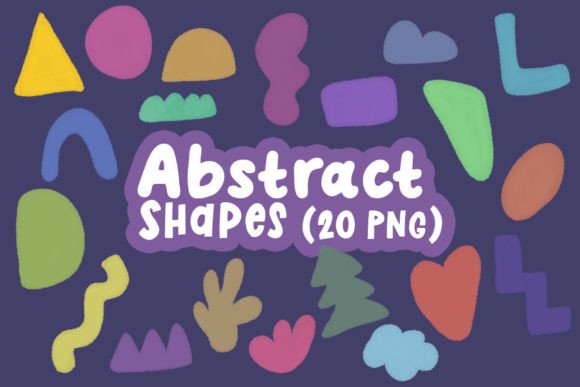
The primary strength of geometric assets is their neutrality. A circle, a triangle, or a hexagon does not carry heavy cultural or temporal baggage, making them ideal for global brands and timeless designs. When you integrate these elements into your projects, you are leveraging a design principle that has stood the test of time. The key is versatility. A single geometric shape can function as a background pattern, a button icon, a data visualization marker, or a structural grid component. This flexibility is what makes downloading a comprehensive pack of geometric vectors a smart investment for any creative professional.
Evaluating File Formats: EPS, AI, and SVG
When downloading design assets, the file format is often more critical than the visual content itself. Many free resources offer only raster images like JPEGs or PNGs, which pixelate when scaled and are difficult to edit. A professional-grade Geometric Element library must provide vector formats. Here is why the specific inclusion of EPS file, Ai File, and SVG file options is crucial for your workflow.
The Role of the Ai File
The Ai File (Adobe Illustrator) format is the industry standard for vector graphics. If you are a designer working within the Adobe Creative Cloud ecosystem, this is your native environment. Having access to the original Ai File means you can ungroup layers, adjust anchor points, and modify stroke weights with precision. It allows for non-destructive editing, ensuring that you can tweak a Geometric Element to fit your exact specifications without losing quality. For freelancers and agencies, this level of control is non-negotiable.
The Versatility of the EPS File
While AI files are proprietary, the EPS file (Encapsulated PostScript) is a universal vector format. It acts as a bridge between different design software. If you use CorelDRAW, Affinity Designer, or older versions of illustration programs, the EPS file ensures compatibility. It preserves vector data, allowing for infinite scalability. For small business owners who may not have access to the latest Adobe subscriptions, having a Geometric Element available as an EPS file ensures that the asset remains usable across various platforms and print services. It is particularly reliable for print production, where color accuracy and sharp lines are paramount.
The Power of the SVG File
In the digital age, the SVG file (Scalable Vector Graphics) has become essential for web and app development. Unlike raster images, SVGs are code-based, meaning they load quickly and remain crisp on any screen resolution, from mobile phones to 4K monitors. For developers and UI/UX designers, downloading a Geometric Element as an SVG file allows for direct integration into HTML and CSS. You can manipulate colors and sizes via code, enabling dynamic interactions and responsive design. This format significantly reduces page load times compared to image files, contributing to better SEO and user experience.
Real-World Applications and Usability
Understanding the technical specifications is one thing; applying them is another. Let us look at how these assets perform in real-world scenarios. Consider a startup launching a new fintech app. Trust and clarity are their primary design goals. By using a consistent set of Geometric Element icons and backgrounds, they can create a clean, professional interface that feels secure and organized. The ability to download these as SVG file formats ensures the app remains lightweight and fast, while the Ai File sources allow the design team to maintain brand consistency across marketing materials.
For educators and bloggers, the utility is equally profound. Creating infographics or explanatory diagrams often requires custom shapes. Instead of drawing every line from scratch, having a library of pre-made geometric vectors accelerates the process. You can combine circles and rectangles to create flowcharts, or use polygons to highlight key data points. The consistency provided by a single source pack ensures that your visual content looks cohesive, enhancing your credibility as a publisher.
However, usability also depends on organization. A high-quality download should not just be a zip file of random shapes. It should be categorized by shape type, complexity, and style. Look for collections that offer variations—outlined, filled, and layered. This depth allows you to adapt the Geometric Element to different contexts, whether you need a subtle background texture or a bold foreground graphic.
Who Benefits Most from Geometric Assets?
While almost any creator can benefit from vector assets, certain groups will find disproportionate value in a well-structured Geometric Element library:
- UI/UX Designers: Need scalable, code-friendly assets for interfaces. The SVG file format is critical here for responsiveness and performance.
- Brand Strategists: Require consistent visual languages. Geometric shapes provide a neutral foundation upon which brand colors and typography can shine.
- Print Designers: Rely on the precision of EPS file and Ai File formats to ensure high-resolution output for brochures, packaging, and signage.
- Content Creators: Bloggers and social media managers need quick, editable graphics to maintain a steady posting schedule without hiring a designer for every post.
Limitations and Best Practices
Despite their advantages, geometric elements are not a panacea. Overuse can lead to designs that feel cold or impersonal. The key is balance. Use geometric shapes to structure your layout and guide the eye, but combine them with organic elements, photography, or typography to add warmth and humanity. Additionally, always check the licensing terms of your download. Ensure that the EPS file, Ai File, and SVG file assets you acquire are cleared for commercial use if you are working on client projects.
Another consideration is customization. While vector files are editable, complex geometric patterns may have many layers. Take the time to clean up unused paths and optimize the file size, especially for web use. A bloated SVG file can negate the performance benefits of vector graphics. Use tools to minify your code before deployment.
Long-Term Value and Conclusion
Investing in a high-quality set of Geometric Element assets is a decision that pays dividends over time. Unlike trend-heavy illustrations that may look dated in a year, geometric forms are perennial. They adapt to changing design trends simply by adjusting color palettes and spacing. The ability to access these assets in multiple professional formats—EPS file, Ai File, and SVG file—ensures that you are prepared for any project requirement, whether it is a large-format print campaign or a responsive web application.
For professionals seeking to streamline their workflow, enhance visual consistency, and maintain high standards of quality, these vector resources are not just helpful; they are essential. By understanding the strengths of each file format and applying geometric principles thoughtfully, you can elevate your design work from amateur to expert. Evaluate your current toolkit, identify gaps in your asset library, and consider integrating a robust collection of geometric vectors. The result will be a more efficient, flexible, and visually compelling design process.