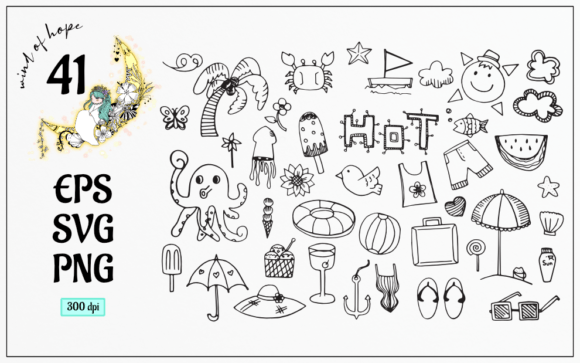
Unlocking Creative Potential with the Tree Doodle Graphic Icon Symbol
In the rapidly evolving landscape of digital design and print media, the demand for versatile, high-quality visual assets has never been higher. Designers, artists, and content creators are constantly seeking elements that bridge the gap between professional polish and approachable charm. Enter the Tree Doodle Graphic Icon Symbol, a graphic doodle element that has emerged as a significant resource for those looking to infuse their projects with a sense of organic warmth and handcrafted authenticity. This asset is not merely a static image; it is a strategic design tool that serves a great choice for all artists, designers, and crafters who are looking for a fun hand drawn icon.
The appeal of such an asset lies in its duality. It possesses the structural simplicity required for effective communication while maintaining the artistic nuance of a hand-drawn sketch. Whether utilized as a single element for UI, web, and digital design or printed onto t-shirts, mugs, posters, and more, this 1 x PNG file offers a level of flexibility that rigid, vector-perfect illustrations often lack. By understanding the nuances of this specific graphic style, creators can elevate their work from standard commercial output to engaging visual storytelling.
The Aesthetic Appeal of Hand-Drawn Digital Assets
The modern consumer is increasingly desensitized to overly polished, corporate imagery. In response, there has been a marked shift toward aesthetics that feel human, imperfect, and relatable. The Tree Doodle Graphic Icon Symbol capitalizes on this trend by offering a visual texture that mimics the stroke of a pen or pencil. This "doodle" style suggests immediacy and creativity, invoking the feeling of a sketchbook page rather than a sterile database entry.
For professionals in branding and marketing, this distinction is crucial. A hand-drawn tree icon does not just represent nature; it represents growth, organic development, and approachability. When integrated into a brand identity, it softens the corporate edge, making businesses appear more community-oriented and environmentally conscious. The irregular lines and varying thicknesses typical of a doodle style create a visual rhythm that draws the eye, encouraging viewers to linger longer on the content. This is particularly effective in industries such as education, wellness, sustainability, and artisanal crafts, where trust and personal connection are paramount.
Versatility Across Digital and Physical Mediums
One of the most compelling aspects of this graphic element is its adaptability. Provided as a 1 x PNG file, it ensures compatibility across a vast array of platforms and production methods. The PNG format, specifically when equipped with a transparent background, allows the icon to be layered seamlessly over any color scheme or photographic background without the awkward white boxes that plague JPEGs. This technical specification is essential for modern workflows where assets must flow effortlessly between digital screens and physical products.
- Digital Interfaces: In UI/UX design, the icon can serve as a navigation button, a category marker for environmental topics, or a decorative element in loading screens. Its simple structure ensures it remains legible even at smaller sizes.
- Web Design: Bloggers and website owners can use the symbol to break up text, illustrate articles about nature or gardening, or serve as a bullet point in lists, adding visual interest to otherwise dense information.
- Print on Demand: For entrepreneurs running print-on-demand businesses, this asset is invaluable. It can be scaled up for large-format posters or centered on t-shirts and mugs. The hand-drawn aesthetic translates exceptionally well to fabric and ceramic, giving merchandise a boutique, custom-made feel.
Strategic Applications for Various Creator Profiles
The utility of the Tree Doodle Graphic Icon Symbol extends beyond general decoration. Different professional profiles can leverage this asset to solve specific design challenges. Understanding these use cases helps creators maximize the return on their creative investments.
Educators and Content Developers
Educators often struggle to make complex or dry subjects engaging. Visual aids are critical in this context. A hand-drawn tree icon can be used in worksheets, presentation slides, and e-learning modules to symbolize growth, family trees, or ecological systems. Because the style is informal and friendly, it reduces anxiety for students, making the learning environment feel safer and more inviting. For example, a language teacher might use the icon to represent vocabulary related to nature, while a history teacher might use it to illustrate genealogy charts.
Sustainable Brands and Eco-Conscious Businesses
For businesses focused on sustainability, the visual language must align with their core values. A sleek, metallic logo might convey technology, but it rarely conveys earthiness. The Tree Doodle Graphic Icon Symbol acts as a visual shorthand for eco-friendliness. It can be incorporated into packaging designs, social media campaigns, and annual reports to reinforce the company’s commitment to the environment. The imperfection of the doodle style mirrors the organic, non-synthetic nature of sustainable products, creating a cohesive brand narrative.
Hobbyists and Crafters
The rise of DIY culture has empowered millions of hobbyists to create their own goods. For these individuals, access to professional-grade assets like this PNG file is a game-changer. It allows them to produce stickers, greeting cards, and scrapbook pages that look professionally designed without requiring advanced illustration skills. The ease of use—simply downloading and inserting the file—lowers the barrier to entry, enabling creators to focus on composition and color theory rather than spending hours drawing a single element.
Technical Considerations and Best Practices
While the asset is designed for ease of use, achieving optimal results requires an understanding of basic design principles. When working with a 1 x PNG file, resolution is key. Users should ensure that the source file is high-resolution enough to withstand scaling, particularly if the end product is a large poster or a high-density print. Pixelation can detract from the charming, hand-drawn aesthetic, turning a stylish doodle into a blurry mess.
Furthermore, color manipulation is a powerful tool when using monochrome or limited-palette doodles. Since the icon is likely black or a single color on a transparent background, it can be easily recolored using standard graphic design software to match specific brand guidelines. This adaptability means that a single asset can serve multiple brands or campaigns simply by changing its hue. However, designers should be cautious not to over-complicate the icon with excessive shadows or effects, which can obscure the delicate lines that define the doodle style.
Integrating with Other Design Elements
To create a cohesive design, the Tree Doodle Graphic Icon Symbol should be paired with complementary typography and layout structures. Hand-drawn icons pair exceptionally well with serif fonts that have a classic, literary feel, or with handwritten script fonts that mirror the organic lines of the tree. Avoid pairing them with ultra-modern, geometric sans-serif fonts unless the goal is to create a deliberate contrast between the natural and the industrial. Additionally, whitespace is crucial. Giving the icon room to breathe enhances its impact and prevents the design from feeling cluttered.
The Broader Impact on Creative Workflows
The availability of high-quality, niche-specific assets like this tree doodle reflects a broader shift in the creative industry. There is a growing recognition that time is a creator’s most valuable resource. By providing pre-made, versatile elements, platforms and marketplaces allow designers to bypass the tedious initial stages of sketching and digitizing basic shapes. This efficiency does not diminish creativity; rather, it redirects energy toward higher-level conceptualization and strategy.
Moreover, the standardization of such assets fosters a shared visual language. When multiple creators use similar high-quality doodle elements, it raises the overall baseline of design quality in the market. Consumers become accustomed to a certain level of aesthetic refinement, pushing businesses to invest more thoughtfully in their visual presentation. The Tree Doodle Graphic Icon Symbol, therefore, is not just a product but a participant in this elevation of design standards.
In conclusion, the integration of hand-drawn elements into digital and print media offers a pathway to more engaging, human-centric design. The Tree Doodle Graphic Icon Symbol exemplifies this potential, offering a blend of artistic charm and technical versatility. Whether for a multinational corporation aiming to soften its image, an educator seeking to engage students, or a hobbyist creating personalized gifts, this asset provides a reliable foundation for creative expression. By leveraging its unique characteristics and adhering to best practices in implementation, creators can produce work that resonates deeply with audiences, proving that even the simplest doodle can carry significant weight in the world of visual communication.