Mastering Nonverbal Communication: A Practical Guide to Five Essential Hand Poses
In the high-stakes environments of modern business and creative collaboration, verbal communication is only half the equation. The other half is conveyed through body language, with hand gestures serving as some of the most potent tools in a communicator’s arsenal. Whether you are pitching to investors, managing a team, or creating content for a digital audience, your hands speak volumes before you utter a single word. Understanding the nuances of specific gestures—often categorized broadly as the 5 Hand Pose framework—can significantly enhance your clarity, authority, and emotional resonance.
This analysis breaks down five distinct hand configurations: apologizing, asking, two variations of pointing, and punching. By evaluating their psychological impact and practical application, professionals can refine their nonverbal toolkit to better align with their strategic goals.
The Psychology of Open Palms: Apologizing and Asking
The foundation of trust in any interaction is perceived honesty. Two of the most critical poses in this framework rely on the exposure of the palm, a primal signal of non-aggression and openness.
The Apology Pose: Restoring Trust
The apologizing pose is not merely about saying sorry; it is a physical manifestation of accountability. Typically, this involves holding one or both hands open, palms facing upward or outward, often slightly raised. In a professional context, this gesture disarms tension. When a project misses a deadline or a misunderstanding occurs, combining a sincere verbal apology with open palms signals that you have nothing to hide.
From a usability perspective, this pose is highly effective in conflict resolution. It lowers the defensive barriers of the recipient. However, its effectiveness relies heavily on consistency. If your facial expression remains rigid or your tone aggressive, the open hands will appear performative rather than genuine. For entrepreneurs and managers, mastering this pose is essential for maintaining long-term team cohesion and client relationships. It demonstrates emotional intelligence and a willingness to take responsibility, traits that are invaluable in leadership roles.
The Asking Pose: Inviting Collaboration
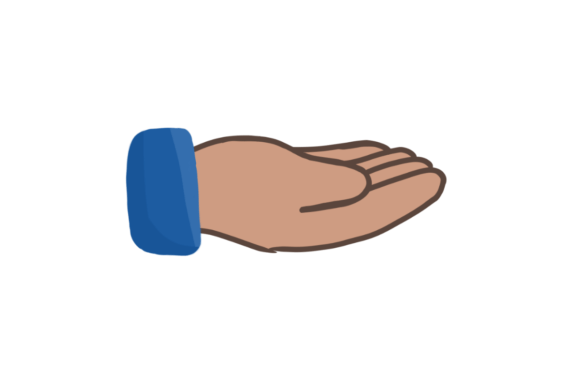
Closely related to the apology is the asking pose. This gesture involves extending one hand, palm up, as if offering or receiving something. It is an invitation. In sales and marketing, this pose is subtle yet powerful. When presenting a proposal or asking for feedback, using an open palm suggests that you are open to input and collaboration, rather than demanding compliance.
The strength of the asking pose lies in its flexibility. It can be used to solicit ideas during a brainstorming session or to gently guide a client toward a decision without appearing pushy. Unlike closed-fist gestures, which can subconsciously signal coercion, the asking pose fosters a sense of partnership. For creators and educators, this gesture helps build rapport with audiences, making complex information feel more accessible and less authoritative.
The Precision of Direction: Two Pointing Poses
Pointing is often criticized as rude, but in professional communication, it is indispensable for directing attention. The key lies in execution. The 5 Hand Pose framework distinguishes between two types of pointing: the aggressive index finger point and the collaborative open-hand point.
The Index Finger Point: Authority and Risk
The traditional index finger point is a high-intensity gesture. It directs attention with precision but carries a significant risk of appearing accusatory or domineering. In a courtroom or a high-pressure negotiation, this pose can establish dominance. However, in collaborative environments, it often creates resistance. When a manager points a finger at an employee while critiquing work, the focus shifts from the problem to the person, triggering defensiveness.
While this pose has its place in situations requiring strict boundary-setting or urgent direction, its long-term value in team building is low. Overuse can erode trust and morale. Professionals should use this gesture sparingly and only when absolute clarity and authority are required. Even then, it should be paired with a calm tone to mitigate its aggressive connotations.
The Open-Hand Point: Collaborative Direction
The superior alternative for most business scenarios is the open-hand point. Here, the entire hand is extended, fingers together, palm slightly angled toward the object or person being indicated. This pose directs attention without assigning blame. It is inclusive and respectful.
For presenters, marketers, and educators, the open-hand point is a staple. It guides the audience’s eye to data on a screen, a product feature, or a colleague who is speaking. Its reliability stems from its neutrality; it informs without judging. This gesture enhances the professionalism of any presentation, ensuring that the focus remains on the content rather than the presenter’s ego. It is a simple adjustment that yields immediate improvements in audience reception and engagement.
The Impact of Intensity: The Punching Pose
The final pose in this framework is the punching gesture. This involves a closed fist, often used to emphasize a point or demonstrate determination. While it can convey strength and conviction, it is a double-edged sword.
When to Use Forceful Emphasis
In motivational speaking or high-energy sales pitches, a controlled punching gesture can underscore a critical message. It signals passion, resolve, and unwavering belief in the subject matter. For entrepreneurs pitching to investors, a well-timed fist clench can communicate confidence in the viability of their venture.
However, the margin for error is slim. If overused or executed with excessive force, the punching pose can appear aggressive, unstable, or threatening. In conservative corporate cultures or delicate negotiations, this gesture may backfire, causing stakeholders to withdraw. The key is moderation. It should be used as a punctuation mark, not a continuous state. Furthermore, it must align with the verbal message; using a punching gesture while discussing sensitive or empathetic topics creates cognitive dissonance and reduces credibility.
Evaluating the Practical Value of the 5 Hand Pose Framework
Integrating these five hand poses into your communication strategy offers tangible benefits. The primary value lies in conscious control. Most people gesture unconsciously, often repeating habits that may undermine their message. By understanding the specific implications of apologizing, asking, pointing, and punching, you can audit your own body language and make deliberate choices.
- Clarity: Proper gestures reduce ambiguity, ensuring your intent is understood.
- Engagement: Dynamic hand movements keep audiences visually engaged, particularly in video content and presentations.
- Trust: Open-hand gestures foster psychological safety and rapport.
- Authority: Controlled, precise gestures establish competence and leadership.
However, there are limitations. Body language is culturally contextual. In some cultures, certain gestures may carry different meanings or levels of offensiveness. Professionals working in global markets must adapt their nonverbal communication to local norms. Additionally, authenticity is paramount. Gestures that feel rehearsed or mechanical can appear insincere. The goal is not to script every movement but to develop a natural fluency in nonverbal expression.
Who Benefits Most from Mastering These Poses?
This framework is particularly valuable for individuals whose success depends on persuasion and connection. Marketers and sales professionals can use the asking and open-hand pointing poses to guide customers through decision-making processes without pressure. Educators and trainers benefit from the clarity of directional gestures and the trust-building nature of open palms. Leaders and managers can leverage the apology pose to maintain team morale and the punching pose sparingly to inspire action during critical moments.
For content creators and bloggers, understanding these poses is crucial for video production. On-camera presence relies heavily on nonverbal cues. Using the right hand gestures can increase viewer retention and perceived authority. Even in written communication, understanding these dynamics helps in describing scenes or coaching others on presentation skills.
Final Recommendations for Implementation
To integrate the 5 Hand Pose concepts into your workflow, start with self-awareness. Record yourself during a presentation or meeting. Observe which gestures you default to. Are you pointing aggressively? Are your hands hidden? Do you use open palms when seeking collaboration?
Practice the open-hand point as your default directional gesture. Replace index finger pointing with this softer alternative in daily interactions. Consciously use the asking pose when soliciting feedback. Reserve the punching gesture for moments where you need to convey exceptional conviction, and ensure it is balanced with ample use of open, welcoming gestures.
Ultimately, effective communication is holistic. Hand gestures are powerful amplifiers, but they must support a clear message, active listening, and genuine intent. By mastering these five fundamental poses, you equip yourself with a versatile, reliable toolkit for navigating the complex landscape of professional interaction. The result is not just better presentations, but stronger relationships and more successful outcomes.