Bone Collection: A Complete Digital Asset Guide
Digital design resources have evolved from simple clipart into sophisticated, multi-format libraries that serve a wide array of creative needs. The Bone Collection represents this shift, offering a curated set of skeletal and anatomical illustrations designed for versatility across print and digital media. Whether you are designing a Halloween invitation, creating educational materials for a biology class, or developing branding for a tattoo studio, having access to high-quality, scalable graphics is essential. This collection provides a robust foundation for such projects, delivering files in formats that cater to both novice users and seasoned design professionals.
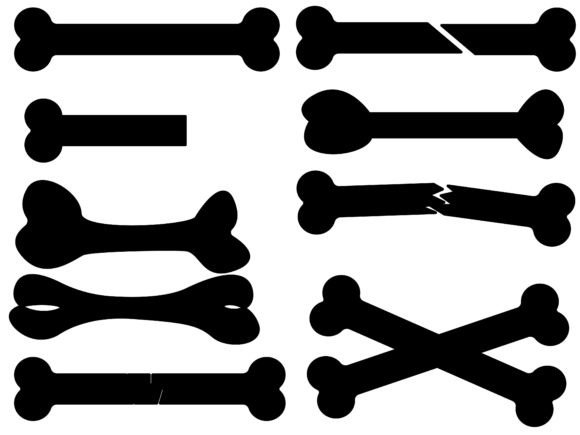
Understanding what makes a digital asset pack valuable requires looking beyond the surface imagery. It is about the technical specifications, the flexibility of the files, and how easily they integrate into existing workflows. The Bone Collection includes 18 PNG files at 300dpi, 18 SVG files, 2 EPS files with all designs, 1 AI file with all designs, and 2 JPG files with all designs. This diverse range of formats ensures that users can select the right tool for their specific project requirements, whether they prioritize ease of use, editing capability, or print resolution.
Why Format Diversity Matters in Design
For many creators, the difference between a frustrating design process and a smooth one often comes down to file compatibility. The inclusion of multiple formats in the Bone Collection addresses the varied technical environments in which modern designers work. Each format serves a distinct purpose, and understanding these differences helps users maximize the value of the assets.
PNG files are raster images, meaning they are made of pixels. The 300dpi resolution provided here is critical for high-quality printing. At this density, the images remain sharp and detailed when printed on paper, fabric, or other physical media. For users who do not have advanced graphic design software, PNGs are ideal because they support transparency. This allows the bone illustrations to be placed directly onto colored backgrounds or complex designs without a white box appearing around them. They are plug-and-play solutions for quick projects.
In contrast, SVG, EPS, and AI files are vector-based. Vectors use mathematical equations to define shapes, allowing them to be scaled infinitely without losing quality. This is particularly important for large-format prints, such as banners, posters, or signage, where a pixelated image would look unprofessional. The 18 SVG files are especially useful for web designers and those using cutting machines like Cricut or Silhouette, as SVGs are widely supported by these platforms. The EPS and AI files cater to professional designers using Adobe Illustrator or similar vector software, offering the deepest level of editability.
Tailored Use Cases for Different Audiences
The utility of the Bone Collection varies significantly depending on the user’s role, skill level, and end goal. By examining how different groups might approach these assets, we can better understand their practical applications.
For Educators and Academic Publishers
Educators in biology, anatomy, or forensic science often need clear, accurate visual aids to explain complex structures. The Bone Collection offers stylized yet recognizable skeletal elements that can enhance lesson plans, worksheets, and presentations. For this audience, clarity and reproducibility are key. The JPG files are sufficient for digital slideshows where file size matters more than transparency. However, for printed handouts or textbook supplements, the 300dpi PNGs ensure that details remain visible even after multiple generations of copying. The ability to isolate specific bones or arrangements helps teachers focus student attention on particular anatomical features without the distraction of overly clinical or cluttered medical diagrams.
For Small Business Owners and Marketers
Entrepreneurs running small businesses, particularly in niches like gothic fashion, Halloween events, or alternative lifestyle brands, can leverage these assets for marketing materials. A boutique owner might use the bone illustrations to create unique packaging labels, social media graphics, or window displays. The SVG files allow for easy customization of colors to match brand identities. For example, a marketer could change the color of a skull illustration to match a seasonal campaign palette without needing advanced photo editing skills. The reliability of the vector formats means that the same design can be used on a small business card and a large trade show banner, maintaining brand consistency across all touchpoints.
For Crafters and Hobbyists
The rise of home crafting has created a demand for digital files that are compatible with consumer-grade cutting machines. Hobbyists who create vinyl decals, iron-on transfers, or paper crafts will find the 18 SVG files particularly valuable. These files can be imported directly into software associated with cutting machines, allowing users to resize and cut out bone shapes for DIY projects. The simplicity of the designs makes them accessible for beginners who may not have extensive design experience. Additionally, the PNG files can be used for sublimation printing on mugs, t-shirts, or tote bags, providing a straightforward path from digital download to physical product.
For Professional Designers and Freelancers
Experienced designers value efficiency and control. The AI file containing all designs is a significant asset for professionals using Adobe Illustrator. It allows them to access every element in a single document, making it easy to drag and drop components into client projects. The vector nature of the AI and EPS files means designers can modify anchor points, adjust stroke weights, and combine elements to create custom compositions. This level of flexibility is crucial for high-end projects where unique, bespoke visuals are required. Furthermore, the inclusion of EPS files ensures compatibility with older versions of design software or other vector programs like CorelDRAW, broadening the usability for freelancers working in diverse technical environments.
Evaluating Quality and Long-Term Value
When assessing digital assets, several factors contribute to their long-term usefulness. First, resolution is paramount. The 300dpi standard for the PNGs ensures that the images meet professional printing requirements. Lower resolution images often appear blurry or pixelated when printed, which can undermine the perceived quality of a project. By providing high-resolution files, the Bone Collection ensures that users can trust the output quality regardless of the medium.
Second, editability determines how adaptable the assets are. Vector files (SVG, EPS, AI) offer superior editability compared to raster files (PNG, JPG). Users can change colors, reshape elements, and scale without degradation. This flexibility extends the lifespan of the assets, allowing them to be repurposed for different projects over time. For instance, a bone illustration used for a Halloween party invite one year could be recolored and resized for a medical conference badge the next.
Third, organization plays a role in user experience. Having separate files for each format, along with consolidated files (like the AI file with all designs), helps users locate what they need quickly. This structure reduces time spent searching and converting files, allowing creators to focus on the creative aspects of their work.
Making the Right Choice for Your Project
Selecting the appropriate file from the Bone Collection depends on your specific project goals. If you are creating a quick social media post and lack design software, the JPG or PNG files are your best option. They require no technical knowledge and can be inserted directly into most content management systems or word processors. If you are designing a logo or a large print piece, the AI or EPS files are necessary to ensure scalability and professional quality. For crafters using cutting machines, the SVG files provide the optimal balance of compatibility and ease of use.
Ultimately, the Bone Collection serves as a versatile toolkit that accommodates a wide spectrum of creative needs. By offering a comprehensive range of formats and resolutions, it empowers users to choose the right asset for their specific context. Whether you are an educator simplifying complex topics, a business owner enhancing brand visibility, or a designer crafting intricate visuals, these resources provide the foundational elements needed to bring your ideas to life with precision and style.